Welcome to Getaria!
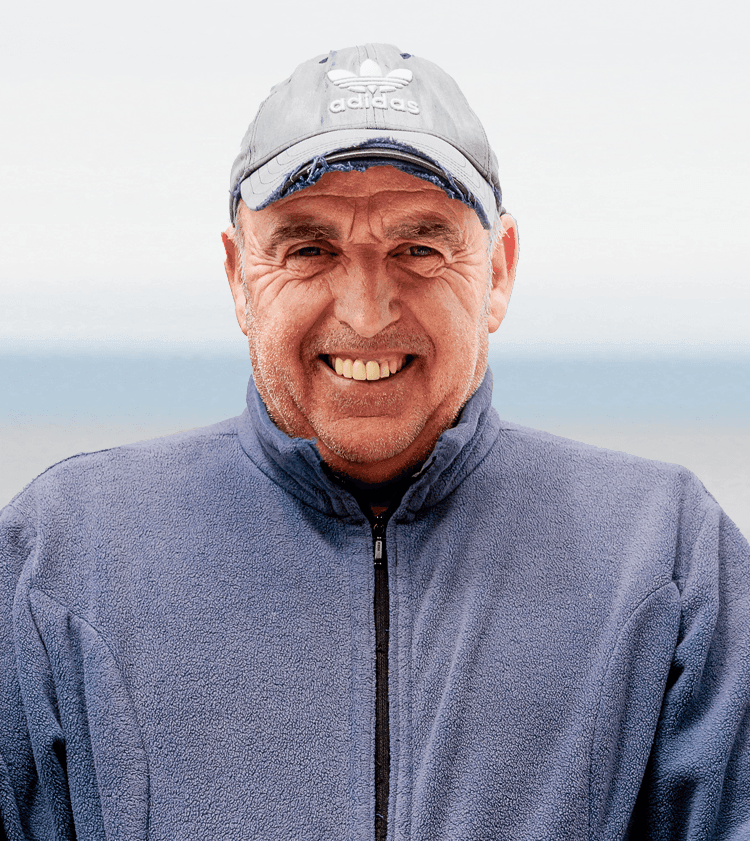
- Emilio Irigoien
- Purse seine fishing
- Partner since 2016
- Getaria, Spain
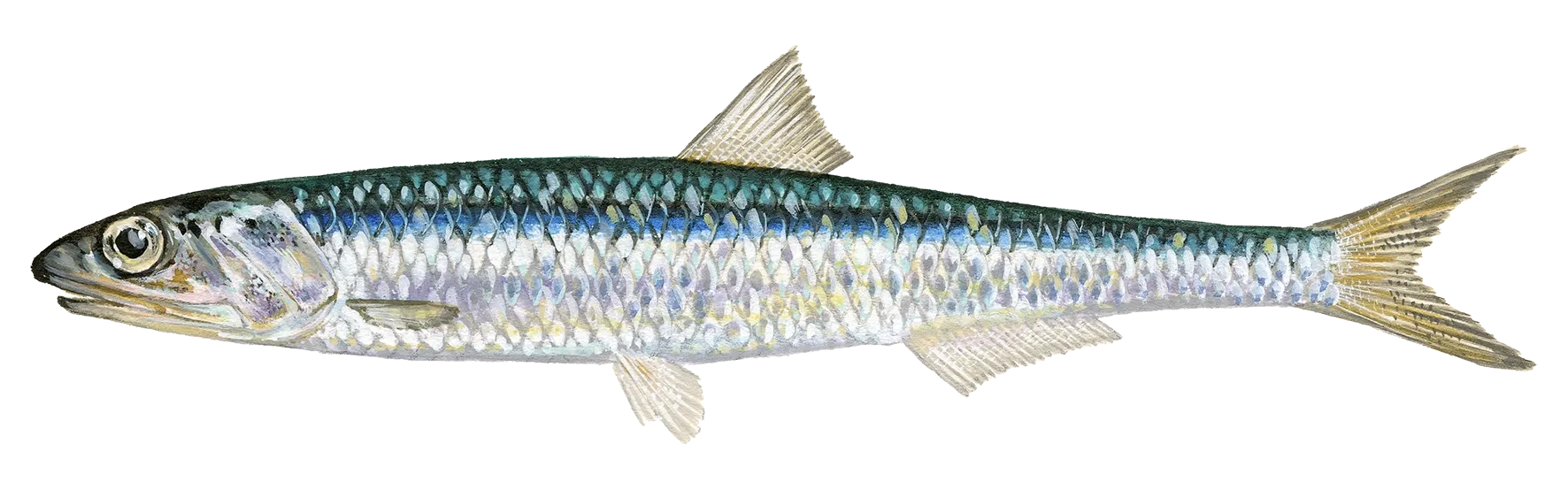
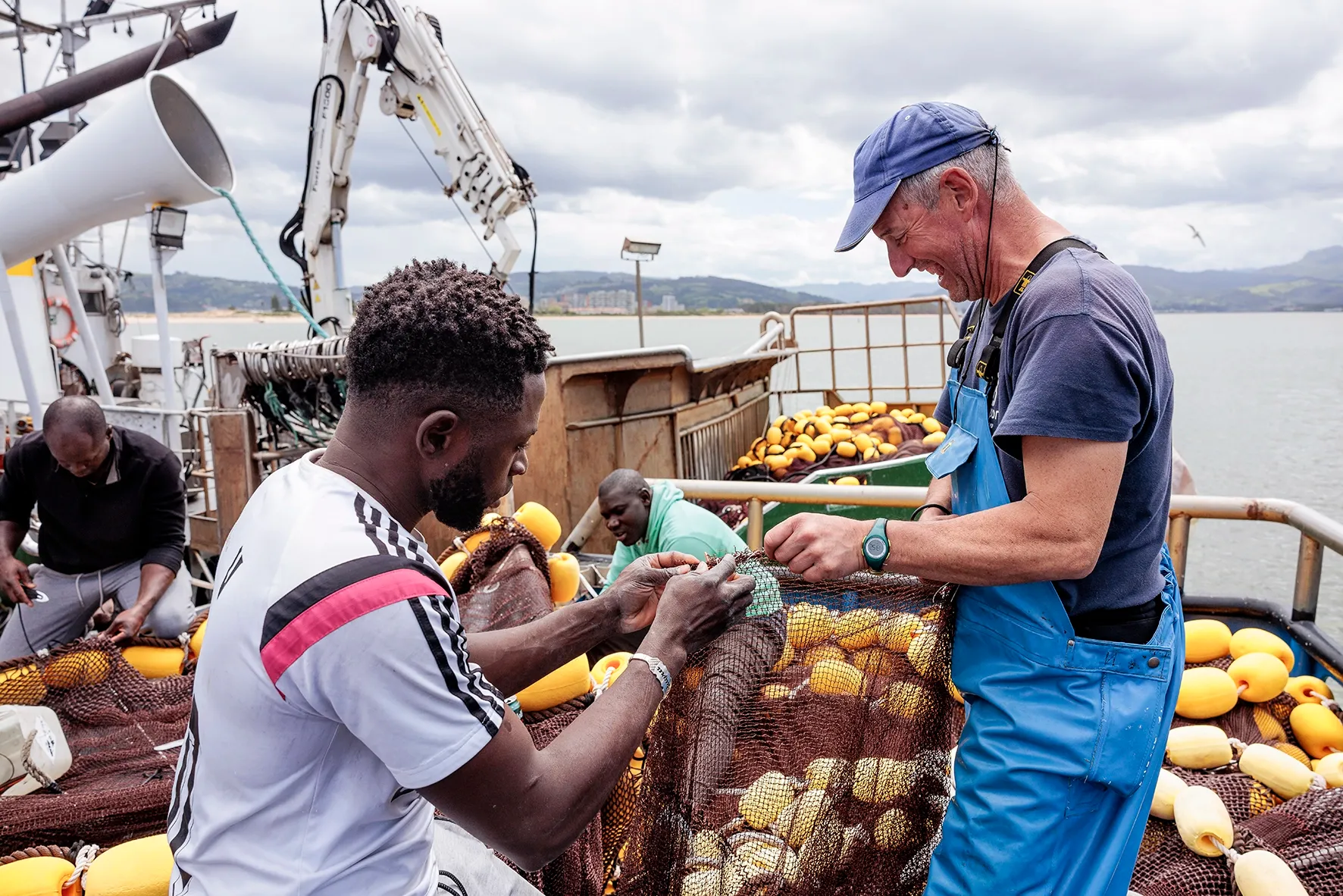
Every season, 160 fishing boats in Northern Spain leave in search of the most delicious Cantabrian anchovies. On their colorful boats, the fishermen sail out of one of the many ports in the Basque Country, this includes Emilio and his son Xavi. In their home port of Getaria, they are ready to depart with their crew of 10-15. Usually, they return within a day, and on weekends the boat stays ashore—that's family time.
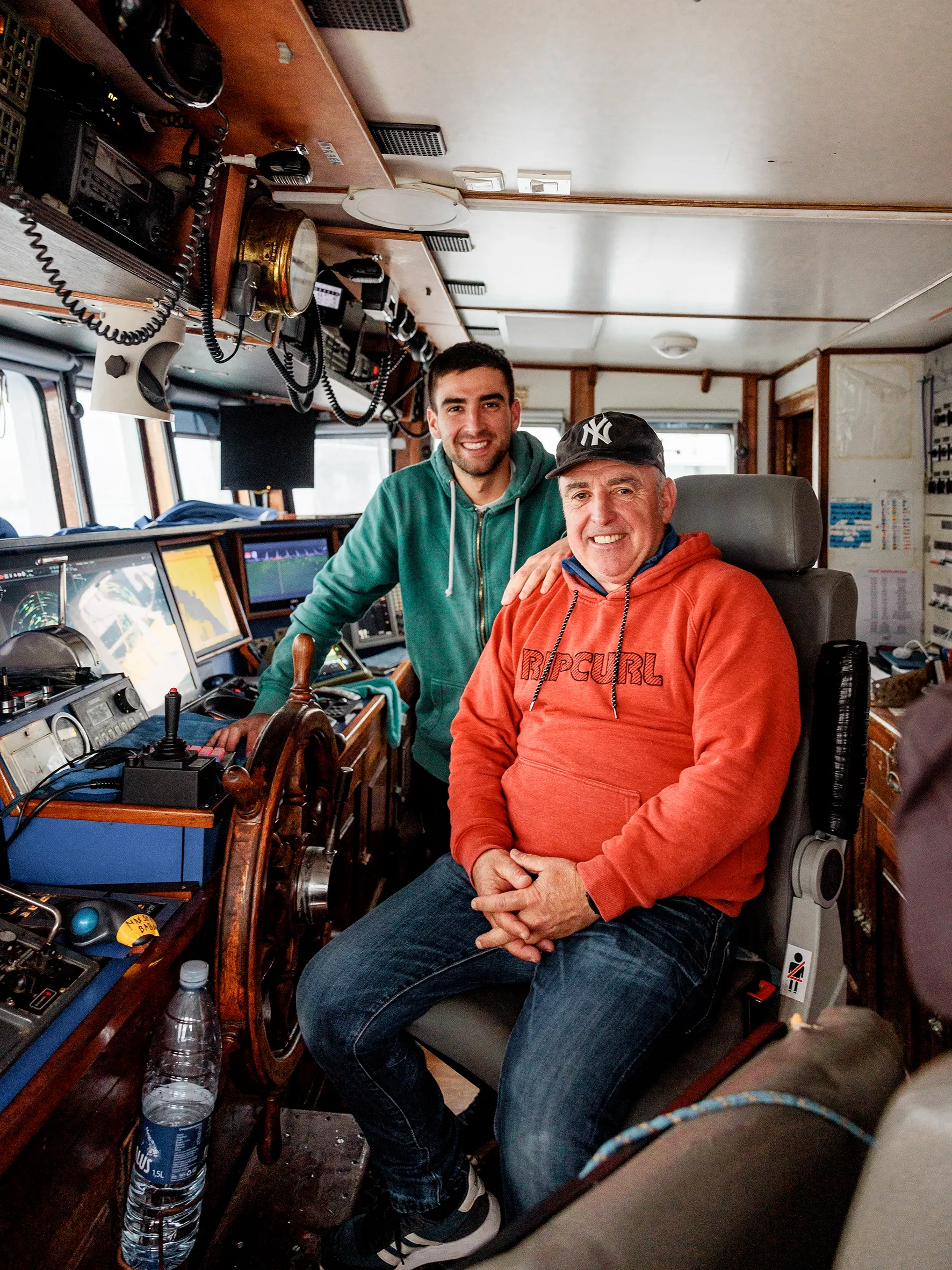
As soon as the sonar spots a school of anchovies, Emilio and his team deploy the purse seine net. They stretch this ring net around the fish, like a basket, and pull it up. All fishermen in the Basque Country have a quota, to ensure there are never too many anchovies caught.
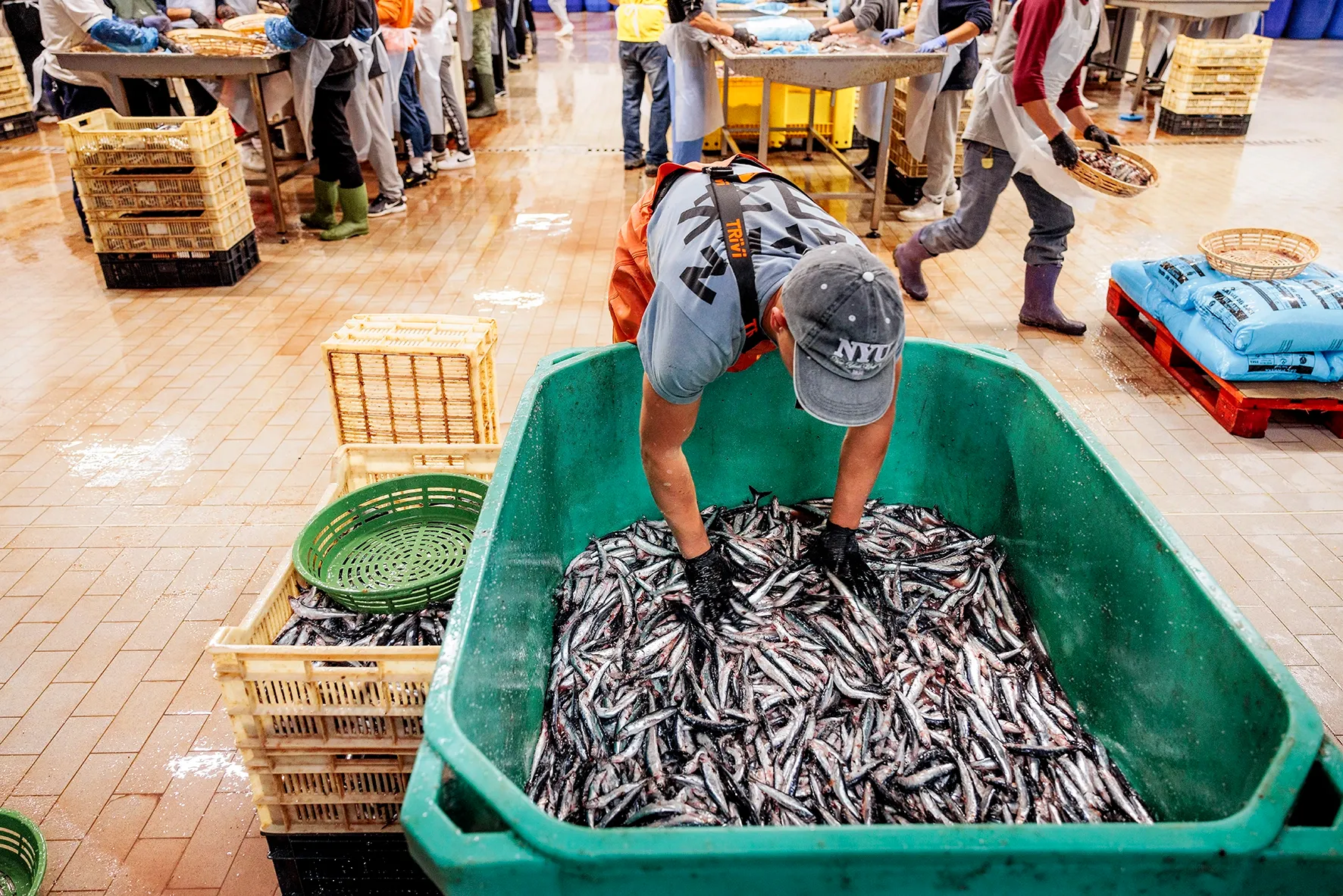
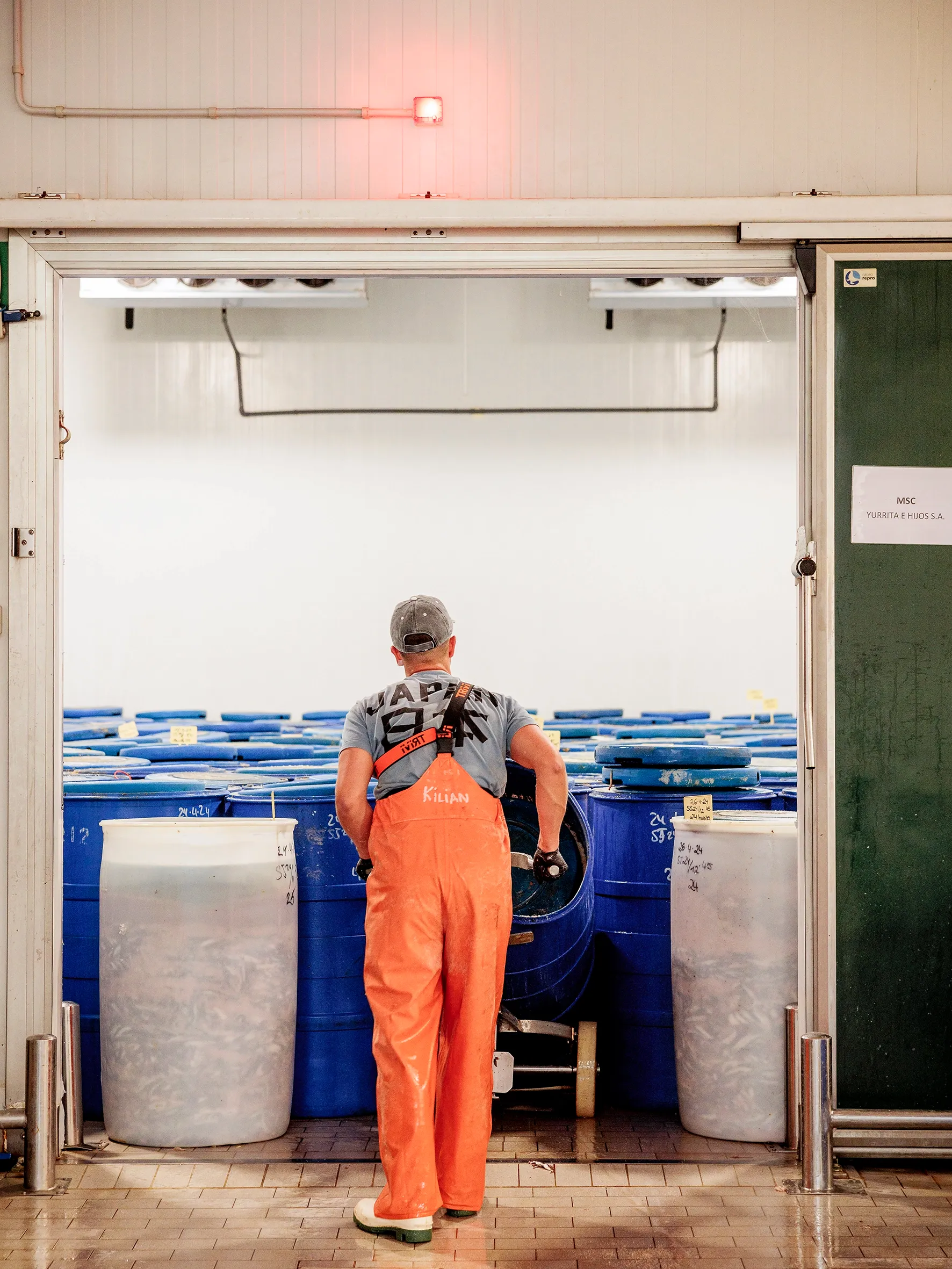
Near the harbor, the catch is salted in traditional 'salazones'. In large barrels, the anchovies are dry-aged for at least six months. This process gives the fish its umami flavor and ensures the best quality.

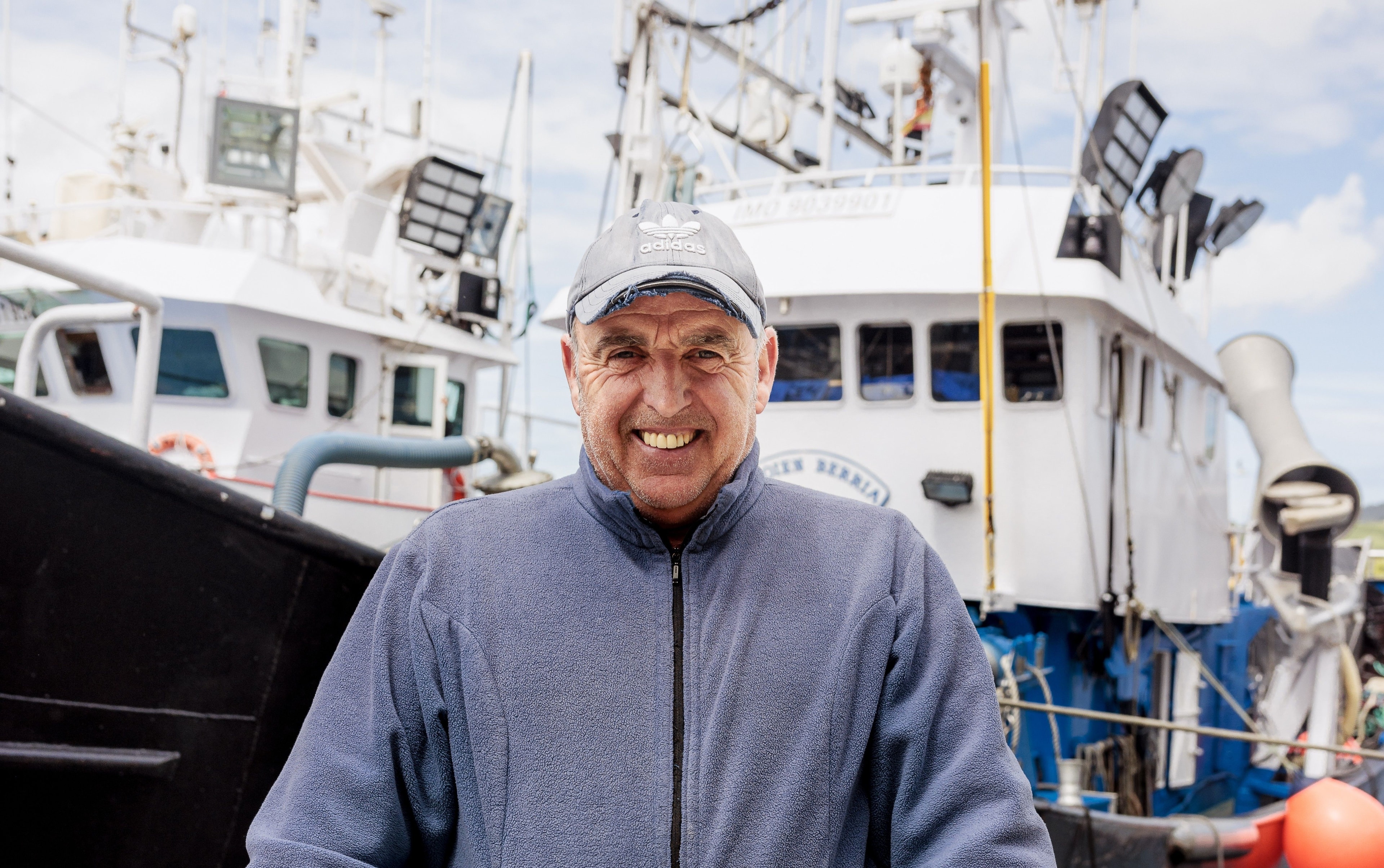
More than 40 years ago, he bought his first boat from his father, and the rest is history. Since then, he has been fishing with great care, for the most delicious Cantabrian anchovies from the Basque Country. When the season is over they fish for Albacore tuna, just like our Albacore Ambassador Oskar! And vice versa, Oskar also fishes for anchovies, when in season. That's how it is in fishing, every day and every season is different!
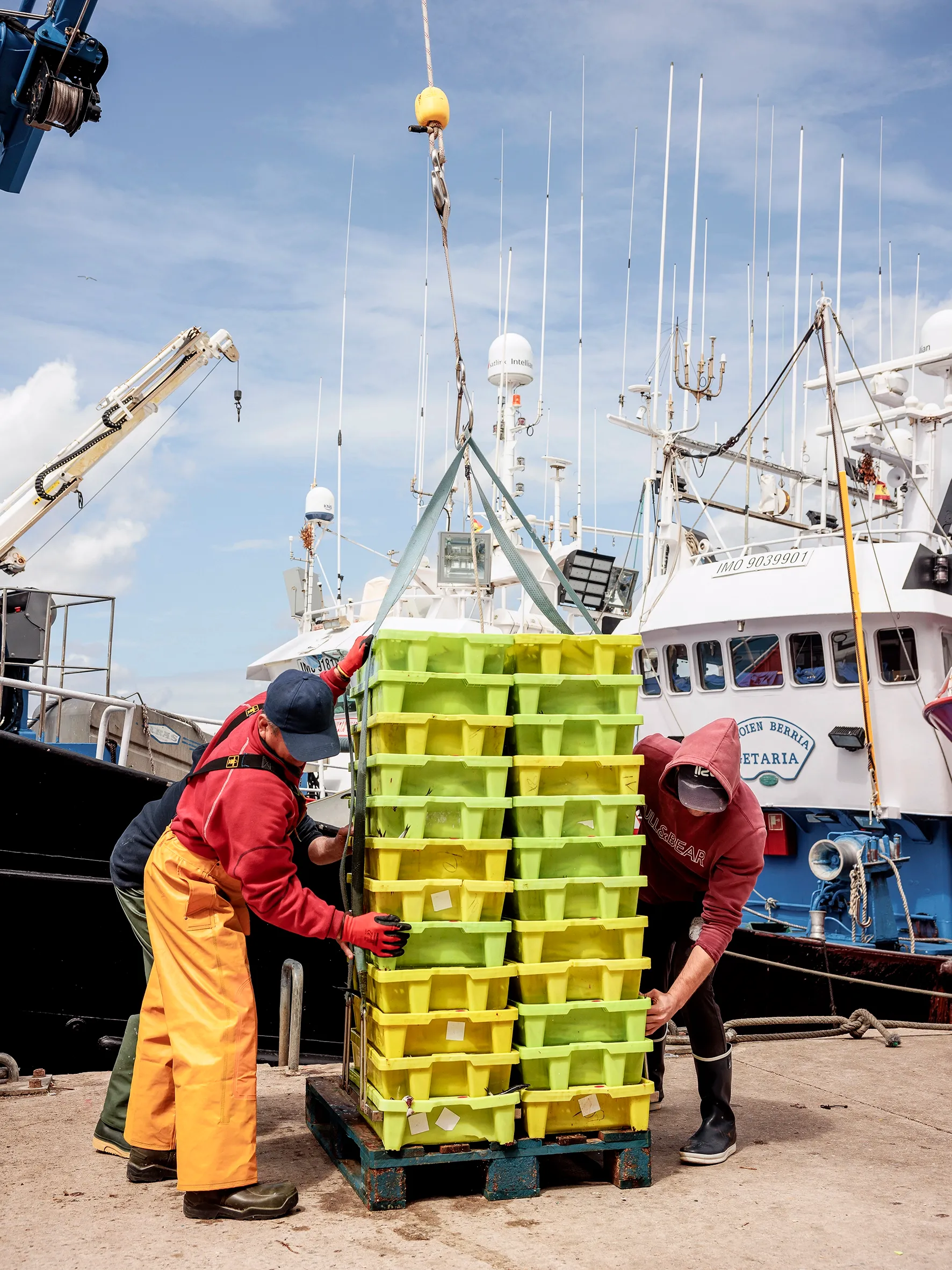
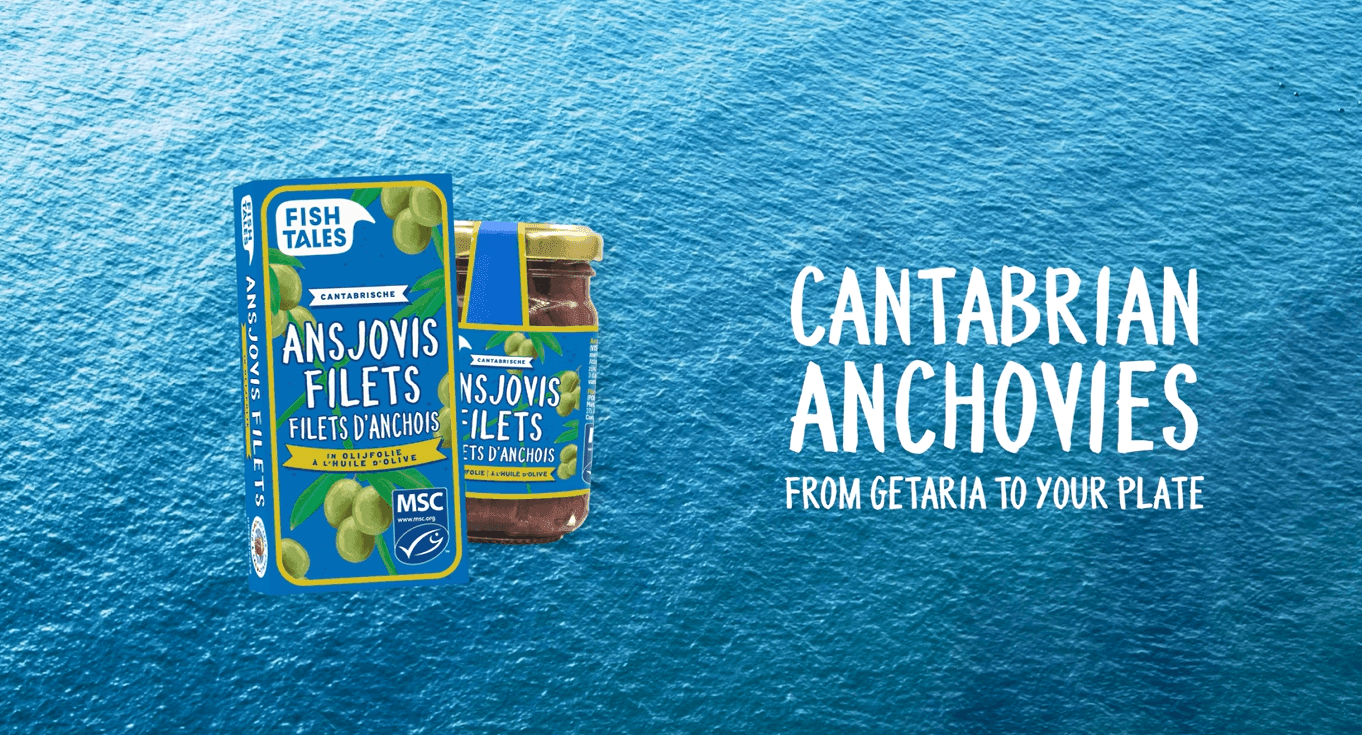
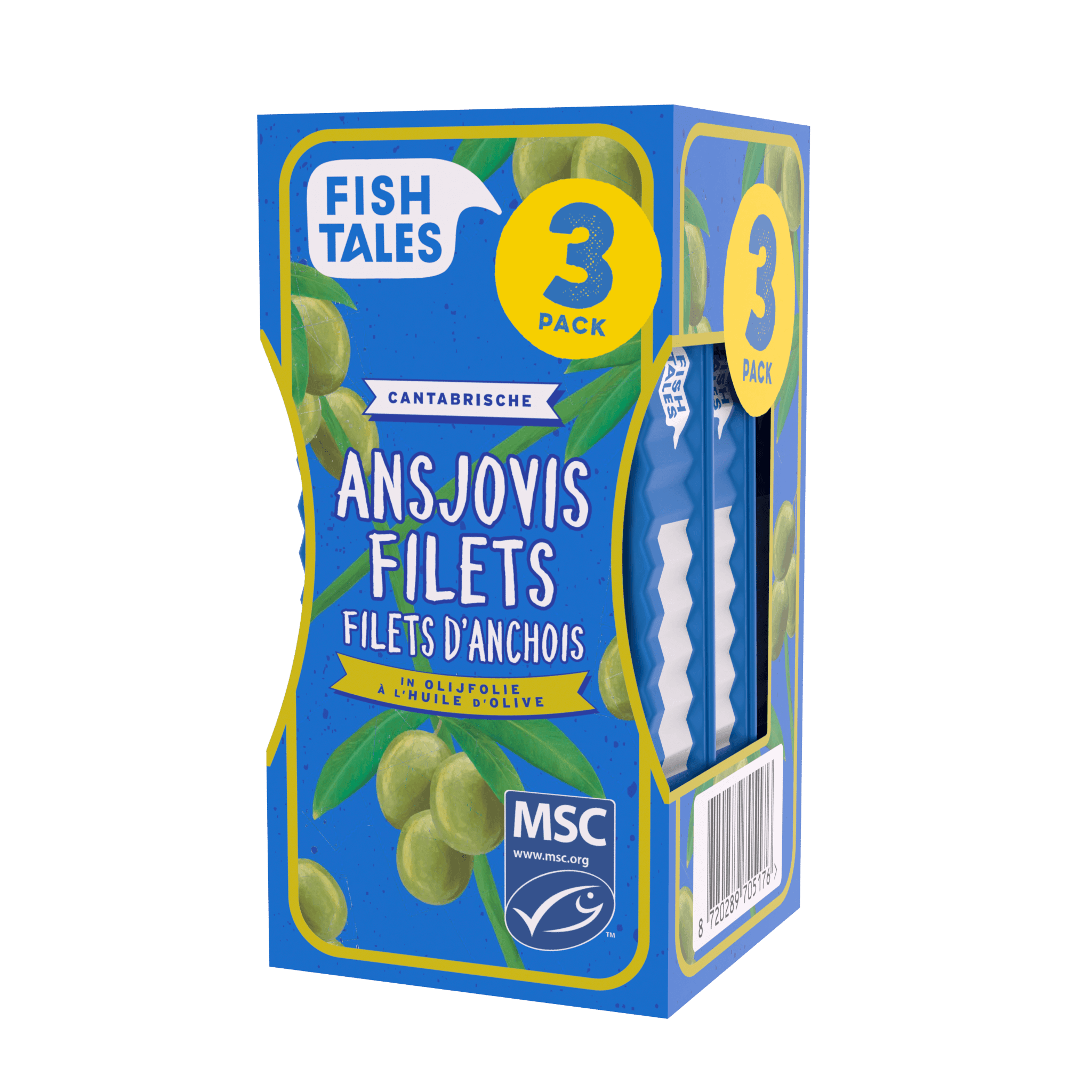
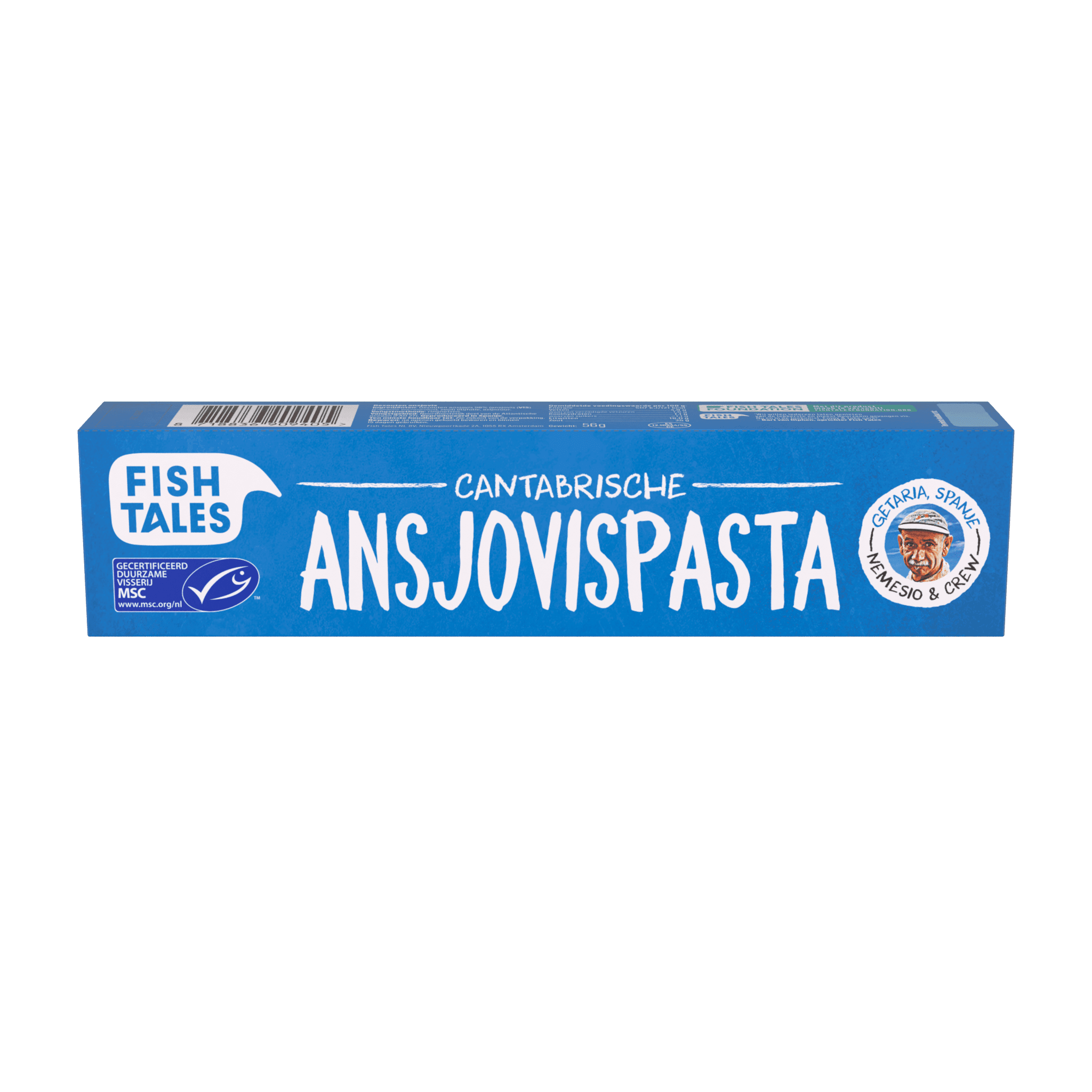
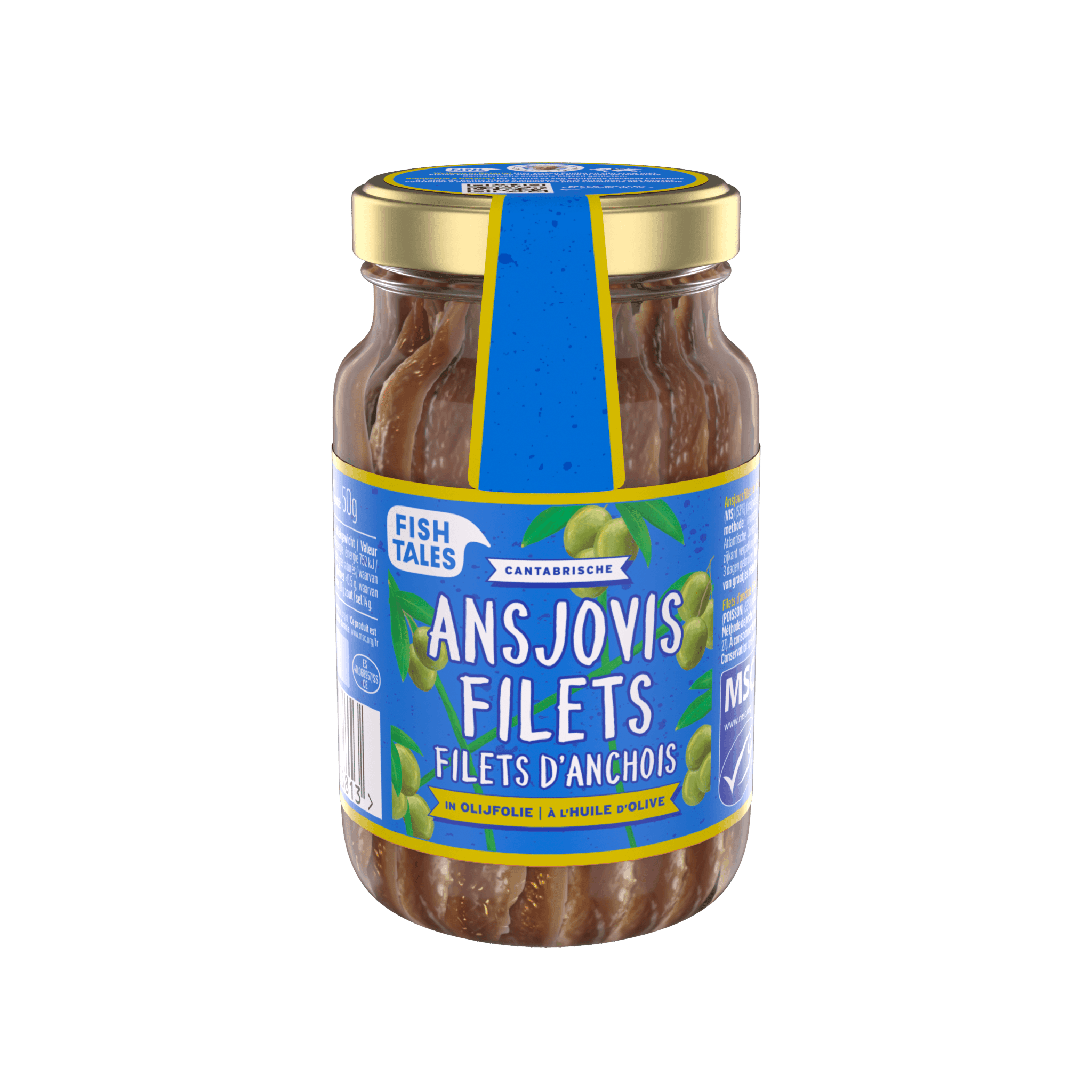
Fish Tales anchovies are caught in the northeastern Atlantic Ocean (FAO 27), off the coast of Cantabria in Spain.
Our anchovy fillets are traditionally aged with love and craftsmanship in Spain for at least 6 months. During this process, the fillets are placed in salt and slowly fermented.
What makes this aging so special? It creates that rich umami flavour and removes any bitter aftertastes. Additionally, the anchovy develops a softer, creamier texture, and its colour changes from silver to a beautiful reddish-brown hue. The result? Top-quality anchovies, perfect for the connoisseur!
Anchovy is so salty because salt plays a crucial role in its aging and preservation process. The fillets are fermented in salt for at least 6 months, which allows for the development of their rich flavour, tender texture, and characteristic reddish-brown colour. In addition, salt acts as a natural preservative by drawing moisture from the fish and preventing the growth of bacteria and fungi. This ensures the anchovy remains not only delicious but also has a longer shelf life!
You can eat the anchovies straight from the can—delicious and easy!
If you prefer them a little less salty, simply place them in a bowl of milk for about 30 minutes. This will remove some of the salt, giving you the perfect flavor!
Anchovies are not pasteurised, because this process – which involves briefly heating food to kill bacteria and extend shelf life – would dissolve the delicate structure of the fillets. This allows our anchovy fillets to retain their beautiful texture and authentic taste, although they do have a somewhat shorter shelf life as a result.
After opening, canned anchovies and anchovies in a jar can be stored in the refrigerator for 3 days. To best keep the anchovies, store them in oil. Anchovy paste can be stored for up to 15 days after opening.
Small bones in anchovy fillets are part of the product and are completely normal. The fillets are carefully cleaned and filleted, but are processed with the bones still inside. Thanks to salting, the bones become softer because the salt breaks down their structure. These small, soft bones can therefore be eaten without any worries. They even add a little extra texture to the delicious anchovy fillets!
Anchovy paste is a real flavor booster! Perfect for pasta sauces, dressings, or as a subtle touch on a cracker. A tip for food lovers: mix some anchovy paste into melting butter and use it to cook meat or fish – an instant umami explosion guaranteed! The best part? You can easily store anchovy paste in the fridge, so you always have a little extra flavor on hand for your dishes!
Pregnant? It’s best to avoid anchovies.
The Dutch Nutrition Centre (Voedingscentrum) currently advises against eating anchovies during pregnancy. When assessing fish, substances such as mercury, dioxins and PFAS are taken into account. For anchovies, there is currently not enough data available to fully assess their safety. As a result, the Health Council of the Netherlands has not been able to issue specific advice, and we therefore follow the guidance of the Voedingscentrum.
skipjack tuna

Jack Mackerel
Sardines

Atlantic salmon
Herring

Cod
salmon

Wild sockeye salmon

Cod
Zeeland mussels

skipjack tuna
Albacore tuna
Albacore tuna